Author: theqoob

  • AI Search vs. Traditional Search: What’s Actually Different?

    AI Search vs. Traditional Search: What’s Actually Different?

    Search has changed a lot, even if the old habits have not. People still type a question, hit enter, and expect a useful answer. The difference is that the system behind the answer now works in a very different way. That shift matters when the question is simple, when the topic is messy, and when the user does not want to spend twenty minutes sorting through tabs like a lost intern with a browser addiction.

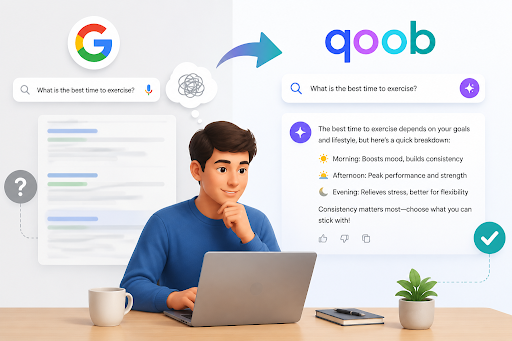
    If you are trying to understand AI Search, the easiest way to think about it is this: traditional search gives you places to look, while AI Search tries to give you the answer itself. That sounds small, but it changes almost everything about how people find, compare, and use information.

    Why people are noticing the difference

    Traditional search has been useful for years because it does one thing well. It finds pages that match words. That works fine when you already know what you want or when the topic is narrow. It works less well when you need a direct answer, a comparison, or a recommendation that depends on context.

    AI Search changes the experience because it tries to understand intent. Instead of only matching keywords, it looks at meaning, phrasing, and the situation behind the question. That makes it easier to get an answer that feels useful right away.

    The real difference is the output

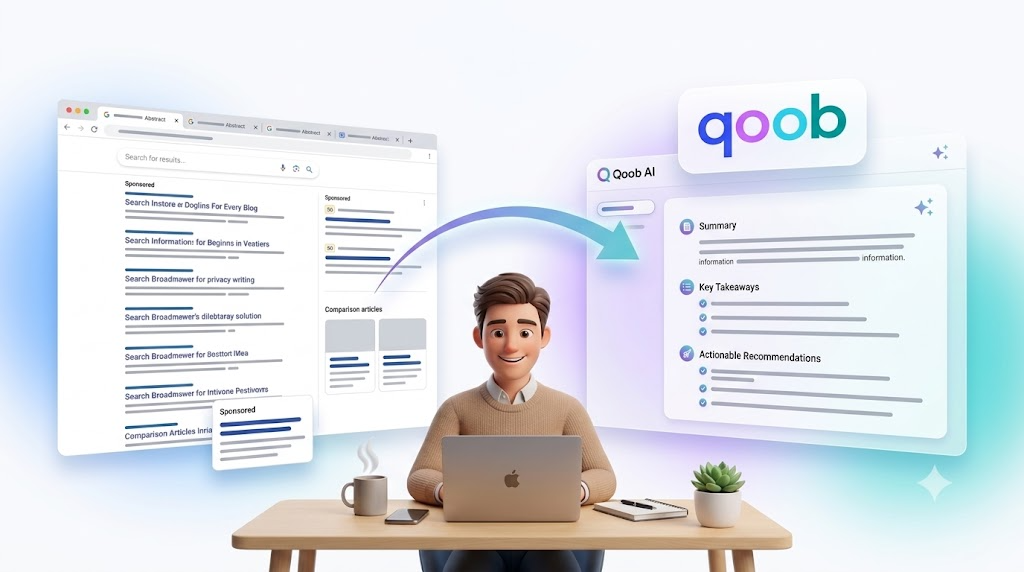
    Traditional search points you to sources. AI Search can summarize those sources, connect them, and narrow the result into something easier to use. In practice, that saves time. It also cuts down on the back-and-forth of clicking, opening, closing, and trying again.

    How traditional search works

    Traditional search is built around indexing web pages and ranking them based on signals such as keywords, links, authority, freshness, and relevance. It does a solid job when the query is specific and the available pages are strong.

    What it does well

    Traditional search is good for:

    • Finding a known website
    • Looking up official pages
    • Checking recent news
    • Comparing source material
    • Discovering a wide range of pages on one topic

    Where it struggles

    It becomes less efficient when users want:

    • A direct answer
    • A comparison of options
    • A recommendation based on context
    • Help deciding between similar choices
    • A summary that removes noise

    That gap is why many users now look for more focused tools instead of just using a general search engine for everything.

    How AI Search works differently

    AI Search does more than match words. It tries to understand the intent behind the request and then organize the answer around that intent. In other words, it is closer to a guided assistant than a list of links.

    It focuses on meaning, not just keywords

    A traditional search engine may show results because they contain the right phrase. AI Search can often tell whether the user wants an explanation, a comparison, a recommendation, or a short answer.

    That matters because many searches are not really searches. They are decisions disguised as questions.

    It can connect information faster

    Instead of making the user read ten pages, AI Search can synthesize information into one response. That means the user spends less time collecting facts and more time using them.

    For a closer look at how this works in practice, QOOB Search shows how a more focused search experience can reduce the amount of manual browsing needed to get to a useful answer.

    Table: AI Search vs. Traditional Search

    Feature Traditional Search AI Search
    Main goal Find matching pages Deliver a useful answer
    Best for Browsing sources Understanding intent
    Result format List of links Summary or response
    User effort Higher Lower
    Context awareness Limited Stronger
    Decision support Weak Better
    Comparison help Manual Faster
    Use case fit General discovery Questions, comparisons, decisions

    This is the core shift. Traditional search helps you look. AI Search helps you decide.

    Why this matters for everyday questions

    Most people do not search the web because they want a history lesson in page rank theory. They search because they need help now. They want to know what to buy, where to go, what to cook, how to compare options, or what problem to solve next.

    AI Search is better for decision-heavy questions

    When the question requires judgment, not just facts, AI Search usually feels more helpful. For example:

    • Which product fits my needs?
    • What is the difference between these two options?
    • What should I do first?
    • What answer applies to my situation?

    Those are not simple lookup tasks. They are decision tasks. That is where AI Search tends to outperform older search patterns.

    Traditional search still has a place

    Traditional search is not dead. Far from it. It still matters for:

    • Official websites
    • Research
    • Timely updates
    • Shopping comparisons
    • Deep source checking

    The point is not that one system replaces the other in every case. The point is that they solve different problems.

    Why context matters so much

    Context is the biggest advantage AI Search has. A question means more when the system knows the situation around it.

    For example, the phrase “best laptop” means something different for:

    • A student
    • A gamer
    • A designer
    • An office worker
    • A traveler

    Traditional search often treats the phrase the same way for all of them. AI Search can adjust the answer based on the likely need. That creates a better result with less effort from the user.

    Personalization changes the experience

    This is where search begins to feel more useful. A more personalized system does not just return data. It returns data that fits the user’s purpose.

    That is one reason people look at personal AI search as a better fit for modern decision-making. It reduces friction by narrowing the answer to the situation, not just the query.

    What users notice first

    Most users do not care about the technical model behind the search. They care about the result.

    Faster answers

    AI Search often gives the answer in a form that is easier to read right away.

    Less scrolling

    Instead of digging through pages, users can get a shorter path to the answer.

    Better comparisons

    It is easier to compare products, places, or ideas when the system organizes the differences for you.

    Fewer dead ends

    Traditional search can lead to irrelevant pages that waste time. AI Search reduces that problem by staying closer to the user’s intent.

    When AI Search is especially useful

    AI Search is strongest when the task requires interpretation.

    Good examples include:

    • Choosing between products
    • Summarizing a topic
    • Finding a quick explanation
    • Comparing options
    • Planning a trip
    • Deciding what to do next

    In each case, the user is not just looking for raw information. They want a filtered answer.

    Where traditional search still wins

    It would be foolish to pretend the older system has no value. Humans do love forcing one tool to replace another just because it sounds neat.

    Traditional search still works well when:

    • You need original source material
    • You want exact website pages
    • You need current updates from multiple publishers
    • You are doing research that needs verification
    • You want to explore a broad topic from the ground up

    That is why the future is likely not one tool replacing the other. It is a mix of both, used at the right moment.

    The shift in user behavior

    More people are moving toward systems that answer questions directly because time matters. They do not want to interpret ten blue links every time they ask a simple question. They want the search experience to fit the task.

    Search is becoming more task-based

    Instead of asking, “What pages mention this phrase?” people are asking:

    • What should I choose?
    • What is the difference?
    • What is the best option?
    • What should I do next?

    AI Search matches that behavior much better than older search models.

    This changes how websites should think

    Sites no longer just compete for rankings. They also compete for clarity, usefulness, and answer quality. Content that helps users quickly will matter more than content that simply repeats keywords.

    For a broader view of this shift, AI search tools are becoming more important because they reduce the gap between question and answer.

    A simple way to choose the right search method

    Use traditional search when you need:

    • Sources
    • News
    • Official pages
    • Broad exploration

    Use AI Search when you need:

    • A direct answer
    • A comparison
    • A recommendation
    • A summary
    • Context-aware guidance

    That simple split helps people choose the right tool faster.

    Conclusion

    AI Search and traditional search are not the same tool with a new label. They solve different problems. Traditional search is built for finding pages. AI Search is built for understanding questions and giving faster, more useful answers.

    That difference matters most when the user needs help deciding, comparing, or acting quickly. If the goal is less scrolling and more clarity, AI Search has the edge. To see how that works in practice, visit QOOB and explore a more focused way to search.


    FAQ

    1. What is the main difference between AI Search and traditional search?

    Traditional search returns pages that match keywords. AI Search tries to understand the meaning of the question and give a more direct answer.

    2. Is AI Search replacing traditional search?

    Not completely. Traditional search still matters for sources, news, and broad discovery. AI Search is better for context, summaries, and decision-making.

    3. Why is AI Search better for everyday questions?

    It reduces the amount of time spent scrolling and comparing. It gives a faster answer when the user wants help deciding something.

    4. Does traditional search still matter?

    Yes. It is still useful when you need original pages, current news, or detailed source checking.

    5. How does context improve search results?

    Context helps the system understand what the user really wants. That leads to more relevant answers and fewer irrelevant results.


  • How to Choose Where to Go This Weekend Without the Endless Scrolling

    How to Choose Where to Go This Weekend Without the Endless Scrolling

    Weekend planning should be simple. In reality, it turns into an exhausting loop of tabs, maps, reviews, reels, and half-finished ideas. You start with one clear goal, then somehow end up with twenty places and no decision. That is the modern travel problem in a nutshell.

    If you are trying to figure out Where to Go this weekend, the answer usually comes from narrowing the choice, not collecting more of them. The best option is not the one with the most reviews or the longest list of attractions. It is the one that fits your time, budget, energy, and the kind of weekend you actually want.

    Why weekend planning feels harder than it should

    People often think the problem is lack of options. It is usually the opposite. There are too many places to compare, and most of them look decent at first glance. That makes the decision feel important even when it is just a weekend plan.

    The result is endless scrolling. You check one site, then another, then a few social posts, then back to the first site because now nothing feels clear. By the time you pick a place, the weekend already feels less relaxing than the actual trip.

    Too many choices create decision fatigue

    Every extra option adds mental work. Once the brain starts comparing nearly identical choices, it gets tired fast. That tiredness makes people delay the decision or settle for the easiest option rather than the best one.

    This is why a simpler process works better than trying to evaluate everything at once.

    Start with the kind of weekend you want

    Before you search for places, decide what kind of weekend you are actually after. That single step removes a lot of confusion.

    Ask what you want from the trip

    Are you looking for:

    • A quiet break
    • A family day out
    • A food-focused trip
    • Something outdoorsy
    • A short overnight escape
    • A low-cost local outing

    Once you know the goal, the list of possible places gets much smaller. A beach trip, a museum visit, and a mountain drive may all sound nice in theory, but they do not serve the same purpose.

    Match the plan to your energy level

    A good weekend plan should fit how much effort you want to spend.

    If you feel tired, choose something simple. If you want a full day out, choose something with more to do. If you only have half a day, do not plan like you have a full one.

    That sounds obvious, but people ignore it constantly and then wonder why the trip feels rushed.

    Use your time as the first filter

    Time is one of the easiest ways to narrow your options. A trip that takes too long to reach may not be worth it for a short weekend. A nearby destination may be better if you only have a day or two.

    Decide how far you want to go

    Think in terms of travel time, not just distance.

    Available TimeBest Type of Trip
    Half dayLocal park, market, nearby cafe, short event
    One dayCity visit, beach town, scenic drive
    One nightSmall getaway, nature stay, food trip
    Two daysMore relaxed weekend trip, major attraction, nearby region

    This simple filter stops you from wasting time on places that look good but do not fit your schedule.

    Build the decision around your budget

    Budget shapes the trip more than people admit. A place may look perfect until you add up transport, food, tickets, parking, and a hotel.

    Think in categories, not guesses

    Estimate these costs:

    • Travel
    • Stay
    • Meals
    • Entry fees
    • Parking or local transport
    • Extra spending

    Once you know the rough total, it becomes easier to rule out places that would stretch the weekend too far. This keeps the plan realistic instead of aspirational.

    Expensive is not always better

    A more expensive destination does not automatically deliver a better weekend. Sometimes a nearby place with good food, a walkable area, and one or two things to do is more satisfying than a pricey trip packed with stress.

    That is one reason smarter planning tools are useful. They help people compare choices with context instead of guessing based on marketing or popularity. For a broader look at search and planning behavior, QOOB Search shows how faster answers can reduce the time spent browsing.

    Think about what kind of experience you want

    Two people can visit the same place and have completely different weekends. That is because the trip experience matters as much as the destination.

    Choose by activity style

    Some people want to relax. Others want to explore. Others want food, shopping, or outdoor time.

    Here are a few simple categories:

    • Relaxing: spa, beach, cabin, quiet town
    • Active: hiking, cycling, walking tours
    • Social: city stay, live music, food district
    • Family-friendly: zoo, park, museum, aquarium
    • Low-effort: local staycation, cafe hopping, short scenic drive

    Once the activity style is clear, you do not need to compare every possible destination. You only compare the ones that match the experience.

    Compare only a few good options

    The fastest way to choose is not to look at everything. It is to look at three or four strong options and compare them directly.

    Use the same criteria every time

    Compare each place using the same questions:

    • How long will it take to get there?
    • What will it cost?
    • What can we do there?
    • Does it match our energy level?
    • Does it fit the weather?
    • Is it easy to book or visit?

    This keeps the process fair and removes a lot of noise.

    A simple comparison table

    OptionTravel TimeCostMain ActivityBest For
    Nearby parkShortLowWalking, relaxingEasy local break
    Food districtShort to mediumMediumDining, browsingSocial weekend
    Scenic townMediumMedium to highExploring, overnight stayFull weekend trip
    Outdoor trailMediumLowHiking, natureActive day out

    A table like this makes the best choice obvious much faster than endless scrolling does.

    Check the details that actually affect the weekend

    A destination can sound great and still be wrong for the moment. Before you decide, check the practical details.

    Weather matters more than people expect

    A beach trip loses appeal in bad weather. A hiking plan is not great during heavy rain. A city trip can still work in poor weather if there are indoor options. The weather should influence the choice, not be ignored until the last minute.

    Opening hours and booking rules matter too

    Some places require advance booking. Others have limited weekend access. A place might look perfect online but be closed or crowded when you want to go. That is why a quick check saves trouble later.

    Local convenience is part of the decision

    Think about parking, food access, walkability, and how easy it will be to move around once you arrive. A weekend trip should feel smooth, not like a puzzle.

    Let smarter search do the heavy lifting

    A lot of scrolling happens because search tools give results, but not decisions. They show you options, yet they leave the comparison work to you.

    That is where a better search experience helps. Instead of forcing you to sift through pages of unrelated results, it can organize choices around your actual needs. This is part of what QOOB is designed to do, by focusing on context and relevance instead of just volume.

    Why context beats raw search results

    If a tool understands your time, budget, and trip style, it can cut the list down much faster. That means less clicking, less comparing, and less mental friction.

    It also means fewer dead ends. You stop wasting time on places that are technically interesting but clearly wrong for your weekend.

    For a deeper look at how faster answer systems support this process, see How QOOB Search Helps You Find Answers Quickly.

    A simple framework for weekend decisions

    If you want a repeatable method, use this one:

    1. Set the goal

    Pick the type of weekend you want.

    2. Set the limit

    Decide how much time and money you want to spend.

    3. Remove mismatched options

    Cut anything that does not fit your goal or schedule.

    4. Compare only the best few

    Look at the strongest three or four choices.

    5. Commit

    Pick one and stop reopening the question every ten minutes.

    That last step matters. A decision is only useful if you actually act on it.

    Common mistakes that keep people scrolling

    Searching without a goal

    If you do not know what kind of trip you want, every result looks possible and nothing feels right.

    Comparing too many places

    Once you go past a few strong options, your judgment starts to blur.

    Ignoring travel friction

    A beautiful place that takes too much effort may not be worth it for a short weekend.

    Waiting too long to decide

    The longer you delay, the fewer good options remain.

    FAQ

    1. How do I decide where to go this weekend fast?

    Start with your goal, budget, and available time. Then compare only three or four places that match those limits. That keeps the choice simple and realistic.

    2. Why is it so hard to choose a weekend trip?

    It is hard because there are too many options and too much information. Endless scrolling creates decision fatigue, which makes the choice feel bigger than it needs to be.

    3. What is the best way to compare weekend destinations?

    Use the same criteria for every option. Look at travel time, cost, activities, weather, and convenience. A simple comparison table can help a lot.

    4. Can search tools help me choose where to go?

    Yes. Better search tools can reduce noise, organize options, and show more relevant results based on your actual needs instead of just broad keywords.

    5. What should I avoid when planning a weekend?

    Avoid searching without a goal, comparing too many places, and overlooking practical details like weather, timing, and travel friction.

    Conclusion

    Choosing where to go this weekend should not feel like a part-time job. The trick is to stop treating every option as equal and start filtering by the things that actually matter. Time, budget, energy, weather, and trip style will tell you far more than endless tabs ever will.

    If you want a faster way to cut through the noise, start with QOOB and use a more focused planning approach before the scrolling eats your whole weekend.

  • Decision Fatigue Is Real: Why Small Daily Choices Feel So Exhausting

    Decision Fatigue Is Real: Why Small Daily Choices Feel So Exhausting

    Some decisions should be simple. What to wear, what to eat, which message to answer first, or what task to do next should not drain a person before noon. Still, that is exactly what happens when the brain gets overloaded with too many choices. The result is decision fatigue, and it affects far more than people realize.

    When daily choices pile up, even small ones start to feel heavier than they should. That is why so many people feel stuck when they are trying to plan dinner, buy something online, or decide how to spend their time. If you have ever opened five tabs, changed your mind three times, and still felt unsure, you are not alone. That kind of mental drag is one reason tools like AI decision assistant are becoming more useful in everyday life.

    What decision fatigue actually means

    Decision fatigue happens when making choices uses up mental energy. The brain does not run out of willpower in a dramatic way. It just gets tired. After enough decisions, even simple ones feel harder, slower, and less appealing.

    That is why people often make worse choices later in the day. They may choose the easier option, delay the decision, or avoid deciding at all. The problem is not laziness. The problem is overload.

    Why small decisions feel bigger than they should

    A single choice rarely causes stress on its own. The issue is the constant stream of choices that never really stops. You choose what to eat, what to reply to, what to buy, what task to do first, and what to ignore. By the time the day is halfway done, your brain has already worked harder than it should have.

    This is why people often feel strangely tired after routine tasks. The work may look small from the outside, but the mental effort adds up.

    Why modern life makes decision fatigue worse

    Today’s routines create more choices than most people notice. You do not just pick one dinner idea. You compare recipes, ratings, prices, delivery times, ingredients, and reviews. You do not just answer one question. You sort through messages, notifications, and follow-ups. Every small decision seems to come with five extra steps.

    Too many options slow everything down

    Choice sounds useful until it becomes a burden. More options can help in theory, but in practice they often make people hesitate. Instead of feeling freedom, people feel pressure to choose correctly. That pressure drains energy fast.

    A person who spends twenty minutes deciding what to eat may not be indecisive in a personality sense. They are simply overloaded by too many possible paths.

    Repetition makes the problem worse

    Some people make the same kinds of choices over and over again throughout the day. What to cook. What to buy. What to read. What to do next. Each decision may seem minor, but together they wear down focus and patience.

    That is why a simple system often works better than constant improvisation.

    Common signs of decision fatigue

    Decision fatigue does not always announce itself clearly. It usually shows up in ordinary behavior:

    • You delay simple choices: You keep saying you will decide later, even when the decision does not need to take long.
    • You keep changing your mind: You compare options, feel uncertain, and circle back without getting closer to a conclusion.
    • You choose whatever is easiest: Instead of picking the best option, you pick the one that requires the least effort.
    • You avoid decisions altogether: You let tasks sit unfinished because making the choice feels harder than doing nothing.
    • You feel mentally drained by basic routines: By the end of the day, even low-stakes choices feel annoying.

    These are all signs that the brain is carrying more than it should.

    Why decision fatigue affects everyday life

    Decision fatigue is not just about feeling tired. It changes behavior. It can affect food choices, shopping habits, work output, and even how people communicate with others.

    It affects personal routines

    People often feel stuck on basic tasks like meal planning, clothing choices, or weekend planning. The more they think about each option, the less energy they have for anything else.

    It affects spending

    When people are mentally tired, they are more likely to buy quickly without comparing carefully. Sometimes they spend too much. Sometimes they avoid buying anything at all.

    It affects work performance

    At work, decision fatigue can make people slower, less confident, and more likely to put off tasks. When a brain is already tired from small choices, bigger work decisions feel heavier too.

    How to reduce decision fatigue

    The answer is not to eliminate all choices. That would be unrealistic and a little bleak, which is saying something. The better approach is to reduce unnecessary decisions and make repeated choices easier.

    Build routines for repeat tasks

    Routines remove the need to decide from scratch every time. If breakfast, lunch, or weekly planning follows a simple pattern, the brain gets to save energy for more important things.

    For example:

    • Pick the same breakfast on busy mornings
    • Keep a few standard lunch options
    • Use a weekly dinner rotation
    • Set a fixed time for common tasks

    These small habits reduce mental load more than people expect.

    Limit the number of options

    Too many choices create delay. A smaller set of good options is easier to manage.

    Instead of comparing ten products, compare three. Instead of choosing from twenty meals, keep five reliable ones. Instead of starting from zero every day, use a short list.

    Decide in advance when possible

    Some choices can be made ahead of time so they do not drain energy later.

    For example:

    • Plan meals for the week
    • Set aside clothes for tomorrow
    • Create a default routine for morning work
    • Keep recurring shopping lists

    Advance planning saves energy during the moments when your brain is least prepared to deal with extra thinking.

    The role of better information

    A lot of decision fatigue comes from bad or incomplete information. People spend too long deciding because they do not have clear answers. They search one place, then another, then another, and each source gives a slightly different result.

    That is one reason better search and recommendation tools matter. If a system can narrow choices faster and explain why something fits, the user spends less time comparing and more time acting.

    Smarter search reduces mental effort

    When search results are more relevant, people do not have to sort through as much noise. That cuts down on the effort required to choose. It also lowers the chance of getting stuck in a loop of comparison.

    A helpful comparison can make decision-making feel easier because the work is already organized. That is one reason people are looking at Why AI search is replacing Google for everyday questions as a practical shift, not just a tech trend.

    Context matters more than volume

    More information is not always better. Context is usually better. If a system understands the situation, it can suggest options that are actually useful instead of just nearby in a search result list.

    That is the basic idea behind Why QOOB, where the goal is to reduce friction and make answers easier to use.

    A simple framework for everyday decisions

    You can make daily choices easier by using a short process instead of debating every option at length:

    1. Define the real decision: Ask what you are actually trying to solve. Do not get distracted by side questions.
    2. Set one constraint: Time, budget, energy, or ingredients. Pick the main limit and use it to narrow the field.
    3. Cut the list fast: Remove anything that clearly does not fit. Do not keep weak options around just because they are technically available.
    4. Choose the first good answer: Not every decision needs a perfect outcome. Often, a good enough answer is the right answer.
    5. Move on: Once the choice is made, stop revisiting it unless new information appears.

    This process sounds simple because it is simple. That is the point.

    What helps reduce decision fatigue

    Problem What usually helps Why it works
    Too many options Cut the list to a few choices Less comparison, faster action
    Too much daily planning Use routines Saves mental energy
    Constant overthinking Set a decision deadline Prevents endless looping
    Frequent small tasks Batch similar tasks Reduces context switching
    Unclear information Use better summaries or tools Makes decisions faster
    Mental exhaustion Decide earlier in the day Uses energy before it runs low

    Common mistakes that make decision fatigue worse

    Trying to optimize everything

    Not every choice needs maximum research. Some decisions are small enough to keep simple.

    Starting from zero every day

    Rebuilding your routine each morning wastes energy. A few defaults solve that problem.

    Checking too many sources

    More sources can create more confusion when the answers do not line up neatly.

    Waiting until you are exhausted

    Big decisions are harder when you are already tired. When possible, handle them earlier.

    Why people underestimate this problem

    Decision fatigue is easy to miss because it does not look dramatic. It does not always feel like stress in the usual sense. Sometimes it just feels like annoyance, hesitation, or boredom. People blame themselves for being indecisive when the real issue is that they have too many choices and too little energy.

    That misunderstanding matters. Once people see decision fatigue as a system problem instead of a personal flaw, they can start fixing it in practical ways.

    Conclusion

    Decision fatigue is real, and it explains why small choices can feel so draining. The issue is not that people cannot make decisions. It is that too many choices, too often, wear down mental energy faster than expected.

    The fix is not to think harder. It is to create simpler systems, reduce unnecessary options, and use tools that organize information more clearly. That is how everyday decisions become easier and less exhausting. For a smarter way to reduce the noise, visit QOOB and see how better answers can make daily choices less tiring.

    FAQ

    1. What is decision fatigue?

    Decision fatigue is the mental exhaustion that comes from making too many choices. It makes later decisions harder and often leads to slower or lower-quality choices.

    2. Why do small daily choices feel so exhausting?

    Small choices feel exhausting because they add up across the day. Each one uses a little mental energy, and repeated choices can wear down focus and patience.

    3. How can I reduce decision fatigue?

    Use routines, limit your options, decide in advance when possible, and remove unnecessary comparisons. Simple defaults save time and energy.

    4. Does decision fatigue affect work?

    Yes. It can make people slower to respond, less confident in choices, and more likely to avoid tasks that require mental effort.

    5. Can better search tools help with decision fatigue?

    Yes. Better search and recommendation tools reduce noise, organize information, and make it easier to compare options without wasting energy.

  • How to Make Better Buying Decisions: A Simple Framework for Comparing Products

    How to Make Better Buying Decisions: A Simple Framework for Comparing Products

    Buying a new product should be straightforward. Yet many purchases become frustrating because there are too many options, conflicting reviews, and endless comparison articles. Whether you’re shopping for electronics, home appliances, software, or everyday essentials, making the right choice often feels harder than it should.

    Instead of relying on guesswork, use a structured approach. An AI decision assistant can help organize information, but understanding a simple framework for Better Buying Decisions allows you to evaluate products more confidently regardless of what you’re purchasing.

    Why buying decisions feel overwhelming

    Consumers have access to more information than ever before. Product pages, customer reviews, comparison websites, influencer recommendations, and AI-generated summaries all compete for your attention.

    While having more information sounds helpful, it often creates the opposite effect. Instead of making decisions easier, it leads to analysis paralysis.

    Common challenges shoppers face

    Many buyers struggle because they:

    • Compare too many products
    • Focus on features they may never use
    • Read hundreds of conflicting reviews
    • Prioritize price over long-term value
    • Delay purchasing because they’re afraid of making the wrong choice

    A simple evaluation process helps eliminate these problems.

    Start with your actual needs

    Before comparing products, identify what you’re trying to solve.

    Ask yourself:

    • What problem am I trying to fix?
    • Which features are essential?
    • Which features are optional?
    • How often will I use this product?
    • What’s my realistic budget?

    Answering these questions prevents unnecessary comparisons between products that don’t fit your needs.

    Avoid shopping based only on popularity

    The highest-rated product isn’t always the best choice.

    For example:

    • A professional camera may be unnecessary for casual photography.
    • A premium laptop may offer features you’ll never use.
    • A large kitchen appliance may not fit your available space.

    The best product is the one that solves your specific problem efficiently.

    Compare products using the same criteria

    Many people compare products randomly.

    Instead, evaluate each option using identical factors.

    Comparison FactorWhy It Matters
    PriceDetermines affordability and value
    FeaturesShows whether the product meets your needs
    QualityIndicates expected durability
    Ease of useAffects the everyday experience
    Customer supportHelps after the purchase
    WarrantyProtects your investment
    ReviewsHighlights real-world experiences

    Looking at every product through the same lens makes comparisons much more objective.

    Step 1: Separate essential features from extras

    Not every advertised feature deserves equal attention.

    Essential features

    These directly affect your purchase.

    Examples include:

    • Battery life
    • Performance
    • Size
    • Storage capacity
    • Build quality

    Nice-to-have features

    These may improve the experience but aren’t necessary.

    Examples include:

    • Premium finishes
    • Extra accessories
    • Decorative design elements
    • Specialty modes

    Focusing on essentials helps avoid paying more for features you’ll rarely use.

    Step 2: Compare total value, not just price

    The cheapest option isn’t always the most affordable over time.

    Consider:

    • Expected lifespan
    • Maintenance costs
    • Replacement expenses
    • Warranty coverage
    • Reliability

    Sometimes spending slightly more initially reduces future costs significantly.

    Think beyond the purchase price

    For example:

    • Energy-efficient appliances reduce utility bills.
    • Durable furniture lasts longer.
    • Better software may reduce ongoing subscription costs.

    Value comes from long-term usefulness rather than the initial receipt.

    Step 3: Read reviews strategically

    Customer reviews are valuable when used correctly.

    Instead of reading hundreds of comments, look for consistent patterns.

    Pay attention to repeated mentions of:

    • Build quality
    • Customer service
    • Reliability
    • Ease of setup
    • Long-term performance

    If the same strengths or weaknesses appear repeatedly, they’re probably worth considering.

    Ignore isolated complaints

    Every product receives occasional negative reviews.

    Focus on recurring issues instead of one unusual experience.

    Step 4: Compare products side by side

    A comparison table makes decision-making much easier.

    FeatureProduct AProduct B
    Price✔✔
    Key Features✔✔
    Warranty✔✔
    Customer Reviews✔✔
    Ease of Use✔✔
    Overall Value✔✔

    Seeing information together often makes the better option much clearer.

    Step 5: Consider your future needs

    Many purchases are long-term investments.

    Ask yourself:

    • Will this still meet my needs in two years?
    • Can it expand with future requirements?
    • Will accessories remain available?
    • Is software support likely to continue?

    Thinking ahead reduces the chance of replacing products sooner than expected.

    Avoid common buying mistakes

    Buying emotionally

    Sales, countdown timers, and limited-time promotions often create unnecessary pressure.

    Take a moment to evaluate whether the product actually meets your needs.

    Comparing too many products

    Comparing ten nearly identical products usually creates confusion.

    Narrow your shortlist to three or four serious options.

    Ignoring trusted sources

    Look for reliable information instead of relying entirely on advertisements or influencer opinions.

    Balanced comparisons usually produce better decisions.

    Forgetting long-term ownership

    Ownership includes maintenance, accessories, upgrades, and support, not just the purchase price.

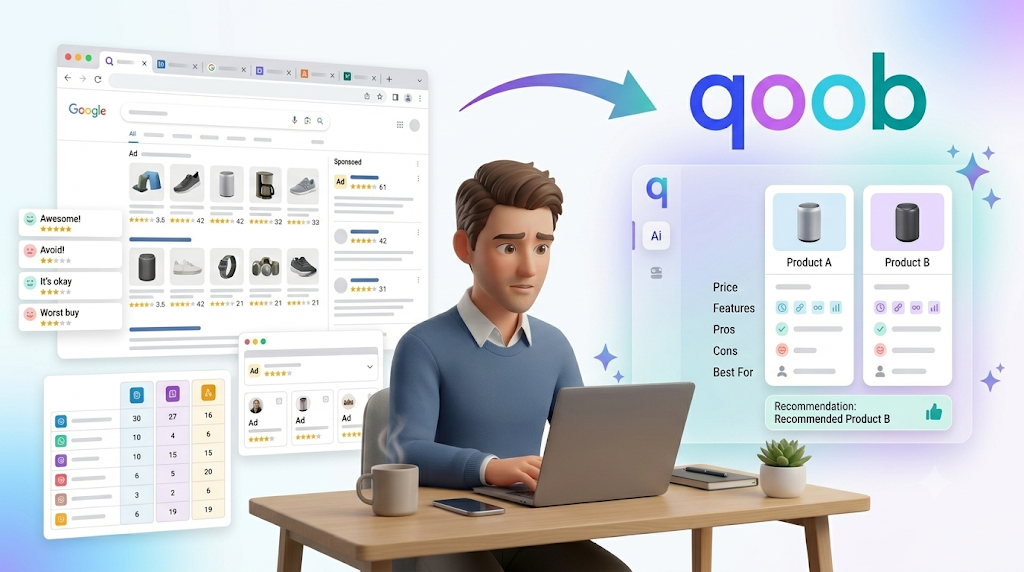
    How AI helps simplify product comparisons

    Artificial intelligence can reduce the amount of manual research required when comparing products.

    Instead of opening dozens of tabs, modern AI tools can organize information, summarize differences, and highlight the factors that matter most.

    For example, QOOB Search focuses on delivering more organized answers that help users compare products more efficiently instead of forcing them to browse through multiple search results.

    Why context creates better recommendations

    Two people shopping for the same product may need completely different recommendations.

    Someone buying a laptop for gaming has different priorities than someone purchasing one for office work.

    That’s why personalized context produces stronger recommendations than generic comparison lists.

    This idea is explored further in What Makes QOOB Different From Other AI App, which explains how contextual understanding can improve decision-making.

    A practical framework for Better Buying Decisions

    You can simplify almost every purchase by following the same process:

    1. Define your actual need.
    2. Set a realistic budget.
    3. List essential features.
    4. Compare products using identical criteria.
    5. Review long-term value.
    6. Read reviews for recurring themes.
    7. Shortlist two or three options.
    8. Make your decision without endless comparisons.

    Following this process removes much of the uncertainty from buying decisions.

    Benefits of using a structured comparison process

    A simple framework helps you:

    • Save research time
    • Reduce impulse purchases
    • Focus on value instead of marketing
    • Compare products objectively
    • Feel more confident after purchasing

    Most importantly, it helps you avoid information overload.

    FAQ

    1. What are Better Buying Decisions?

    Better Buying Decisions involve evaluating products using consistent criteria such as price, quality, features, reviews, and long-term value instead of making impulsive purchases.

    2. How many products should I compare?

    Three to four products are usually enough. Comparing too many options often creates confusion instead of improving your decision.

    3. Should price be the most important factor?

    No. Price should be balanced with quality, reliability, warranty, customer support, and expected lifespan to determine overall value.

    4. How do AI tools help compare products?

    AI tools organize product information, summarize differences, and highlight relevant features, making research faster and easier.

    5. Why is context important when comparing products?

    The best recommendation depends on your specific goals, budget, and intended use. Context allows recommendations to be more relevant than generic product rankings.

    Conclusion

    Making Better Buying Decisions doesn’t require reading hundreds of reviews or comparing dozens of products. A simple framework based on your needs, budget, essential features, and long-term value helps you make confident choices while avoiding information overload.

    As AI continues to improve product research, decision-making becomes faster and more personalized. To learn more about how contextual AI supports smarter comparisons, visit QOOB and explore how modern search experiences help simplify complex buying decisions.

  • How to Decide What to Cook Tonight When You Don’t Know What You Want

    How to Decide What to Cook Tonight When You Don’t Know What You Want

    Deciding what to cook can sometimes take longer than making the meal itself. You open the refrigerator, check the pantry, scroll through recipes, and somehow end up with even more choices than when you started. Sound familiar?

    Instead of guessing or ordering takeout again, start with a better approach. If you’re wondering what to Cook, you can narrow your options by considering what ingredients you already have, how much time you can spend cooking, and what type of meal you’re in the mood for.

    Why choosing dinner feels so difficult

    Most people don’t struggle because there aren’t enough recipes available. The real problem is having too many options. Searching for dinner ideas often leads to hundreds of recipes that don’t match your ingredients, schedule, or preferences.

    Decision fatigue also plays a role. After a busy day, spending another thirty minutes comparing recipes isn’t appealing. A simple decision-making process makes it much easier to settle on dinner without frustration.

    Start with what you already have

    Before searching for recipes, take a quick look at your kitchen.

    Ask yourself:

    • What protein do I have?
    • What vegetables need to be used?
    • Do I have rice, pasta, or potatoes?
    • Is there anything that will expire soon?

    Building dinner around ingredients you already own saves money and reduces food waste.

    Ask yourself four simple questions

    Instead of randomly browsing recipes, answer these questions first.

    1. How much time do you have?

    Your available time should guide your meal choice.

    Available TimeGood Meal Options
    15-20 minutesStir fry, omelet, wraps, sandwiches
    30 minutesPasta dishes, tacos, rice bowls
    45-60 minutesRoasted chicken, casseroles, baked meals
    More than 1 hourSlow-cooked meals, homemade pizza, specialty recipes

    Choosing recipes that fit your schedule makes cooking feel much less stressful.

    2. What ingredients are available?

    Many people shop before checking their kitchen.

    Instead, identify the ingredients you already have and build around them.

    For example:

    • Chicken → grilled chicken bowls
    • Ground beef → tacos or pasta
    • Eggs → fried rice or frittata
    • Vegetables → stir fry or soup

    This approach keeps meals practical and affordable.

    3. What are you craving?

    Think about the type of food instead of a specific recipe.

    You might want:

    • Something light
    • Something comforting
    • Something spicy
    • Something healthy
    • Something filling

    Knowing the overall style immediately removes many unsuitable options.

    4. How much effort do you want to spend?

    Not every dinner needs to be impressive.

    Some nights call for:

    • One-pan meals
    • Sheet pan dinners
    • Slow cooker recipes
    • Air fryer meals
    • Quick pasta dishes

    Other nights you may enjoy cooking something more involved.

    Matching the recipe to your energy level helps you avoid unnecessary stress.

    Let your ingredients guide the meal

    Professional cooks often begin with ingredients instead of recipes. You can do the same.

    Protein first

    Choose your main protein.

    Examples include:

    • Chicken
    • Beef
    • Pork
    • Fish
    • Tofu
    • Eggs
    • Beans

    Once that’s decided, the rest of the meal becomes much easier.

    Add a carbohydrate

    Choose one:

    • Rice
    • Pasta
    • Bread
    • Potatoes
    • Tortillas
    • Noodles

    Now you’ve already built the foundation of dinner.

    Finish with vegetables

    Add whatever vegetables are available.

    Fresh, frozen, or canned vegetables all work well depending on the recipe.

    This simple framework creates hundreds of different meals without needing an elaborate plan.

    Use cooking methods to narrow your options

    Sometimes choosing how you want to cook is easier than choosing what to cook.

    Air fryer

    Best for:

    • Chicken
    • Potatoes
    • Vegetables
    • Frozen foods

    Oven

    Great for:

    • Sheet pan dinners
    • Roasted vegetables
    • Baked pasta
    • Casseroles

    Stovetop

    Perfect for:

    • Pasta
    • Stir fry
    • Soups
    • Curry
    • Skillet meals

    Slow cooker

    Ideal for:

    • Chili
    • Stews
    • Pulled chicken
    • Pot roast

    Thinking this way quickly removes recipes that don’t fit your available equipment or schedule.

    Keep a list of reliable meals

    One of the easiest ways to reduce dinner stress is maintaining a small collection of favorite meals.

    For example:

    • Chicken Alfredo
    • Beef tacos
    • Fried rice
    • Spaghetti
    • Chicken salad
    • Vegetable stir fry
    • Burrito bowls
    • Homemade pizza

    Having 15 to 20 dependable meals eliminates the need to search from scratch every evening.

    Don’t chase the perfect recipe

    Many people spend too much time trying to find the “best” recipe online.

    In reality, most good meals can be adjusted using ingredients you already have.

    Replace vegetables.

    Swap proteins.

    Adjust seasonings.

    Cooking becomes much easier once you stop expecting every recipe to be followed exactly.

    Technology can simplify dinner decisions

    Recipe websites are helpful, but many still require users to search manually through hundreds of results.

    Smarter recommendation platforms focus on understanding what you’re actually looking for instead of simply matching keywords.

    For example, platforms that explain why they recommend certain meals can help reduce decision fatigue while providing suggestions that better match your situation. You can learn more about this approach in How QOOB Delivers Smarter Answers Than Traditional Search.

    Why context matters more than keywords

    Searching for “easy dinner recipes” doesn’t tell a search engine much.

    It doesn’t know:

    • Your cooking experience
    • Your available ingredients
    • Your dietary preferences
    • Your available time
    • How many people you’re feeding

    Modern recommendation systems work best when they understand context instead of relying only on keywords.

    This is one of the ideas behind Why QOOB, which focuses on providing more relevant answers instead of overwhelming users with endless choices.

    Common mistakes when choosing dinner

    Waiting until you’re hungry

    Planning becomes much harder once everyone is already hungry.

    Shopping without a plan

    Buying random ingredients often leads to unused food and unnecessary spending.

    Trying new recipes every day

    It’s perfectly fine to rotate familiar meals during busy weeks.

    Ignoring leftovers

    Many dishes become excellent lunches or second dinners.

    Planning for leftovers can save both time and money.

    Build a simple weekly routine

    Instead of deciding from scratch every evening, assign general meal themes.

    For example:

    DayMeal Theme
    MondayPasta
    TuesdayTacos
    WednesdayStir fry
    ThursdaySoup or salad
    FridayHomemade pizza
    SaturdayFamily favorite
    SundaySlow cooker meal

    This flexible structure reduces daily decision-making while still allowing variety.

    How better meal decisions save time

    A simple dinner routine offers several benefits.

    It helps you:

    • Spend less time searching
    • Waste less food
    • Save money
    • Cook more consistently
    • Reduce daily stress

    Over time, even small improvements in planning make weeknight cooking much easier.

    Conclusion

    Deciding what to cook doesn’t have to become the hardest part of dinner. By starting with the ingredients you already have, considering your available time, and focusing on the type of meal you actually want, you can make faster and more confident decisions every evening.

    As smarter search and recommendation tools continue to improve, finding dinner ideas becomes less about scrolling through endless recipes and more about getting answers that fit your situation. To learn more about this approach and how it differs from traditional search, visit QOOB.

    FAQs

    1. What should I cook when I don’t know what I want?

    Start by checking the ingredients you already have, deciding how much time you can spend cooking, and choosing the type of meal you’re craving. This quickly narrows your options.

    2.What’s the easiest way to decide what to cook?

    Begin with your main ingredient, add a side such as rice or pasta, and include vegetables. This simple framework creates countless meal combinations.

    3. How can I stop spending so much time looking for recipes?

    Keep a list of favorite meals and use tools that provide more personalized recommendations based on your preferences and available ingredients instead of browsing endless recipe lists.

    4. Is meal planning better than deciding every day?

    Yes. Even a loose weekly plan reduces decision fatigue, saves shopping time, and helps minimize food waste.

  • Why People Are Switching from ChatGPT to Specialized AI Search Tools

    Why People Are Switching from ChatGPT to Specialized AI Search Tools

    Artificial intelligence has transformed how people find information, solve problems, and make decisions. While ChatGPT remains one of the most popular AI tools available today, many users are now exploring specialized AI search platforms designed to provide faster, more personalized, and more relevant answers. This shift has fueled growing interest in solutions like a modernQoob Search AI search engine built for everyday information discovery.

    As users seek better ways to find accurate information, a new question is emerging: Is a specialized AI search tool a better choice than a general-purpose chatbot?

    The Rise of Personal AI Search

    Traditional search engines provide a list of links, while chatbots generate conversational responses. However, many users need something in between – a system that understands their intent and delivers personalized results instantly.

    This is where personal AI search comes in.

    If you’ve ever wondered what is personal AI search, it’s an AI-powered approach that learns from your preferences, understands context, and provides highly relevant answers tailored to your needs. Rather than forcing users to sift through dozens of websites or lengthy conversations, it focuses on delivering useful information quickly.

    Platforms like Qoob Search are leading this evolution by creating a smarter search experience that combines AI intelligence with personalized results.

    Why Users Are Looking Beyond ChatGPT

    ChatGPT is an excellent tool for content generation, brainstorming, and conversation. However, many users are discovering limitations when they need quick, precise answers for everyday questions.

    Some common reasons people search for the best ChatGPT replacement app include:

    Faster Information Retrieval

    When users have simple questions, they often want direct answers rather than lengthy discussions. A specialized AI search engine is designed to prioritize speed and relevance, helping users find information without unnecessary back-and-forth interactions.

    Personalized Search Experience

    Most people ask similar types of questions repeatedly. A personal AI search platform can learn from user behavior and deliver more customized results over time, creating a more efficient experience.

    Better Support for Everyday Decisions

    Modern consumers use AI for much more than writing content. They rely on it for travel planning, product comparisons, health research, financial insights, and daily problem-solving.

    A dedicated decision making AI tool can help users evaluate options quickly and make informed choices with greater confidence.

    Reduced Information Overload

    One of the biggest challenges online is sorting through excessive information. Specialized AI search platforms focus on delivering concise, relevant insights instead of overwhelming users with countless sources and conflicting opinions.

    ChatGPT vs Qoob: Understanding the Difference

    The discussion around ChatGPT vs Qoob is not necessarily about which platform is better overall. Instead, it comes down to user goals.

    ChatGPT excels at:

    • Content creation
    • Brainstorming ideas
    • Writing assistance
    • Creative projects
    • Conversational interactions

    Qoob Search focuses on:

    • Personalized search experiences
    • Fast information retrieval
    • Everyday question answering
    • Context-aware recommendations
    • Decision support and research

    For users who primarily need accurate answers and efficient information discovery, a specialized AI app for everyday questions may provide a more streamlined experience.

    How Qoob Search Meets Modern User Needs

    Today’s users expect technology to understand their intent immediately. They want answers without spending time refining prompts or reviewing multiple sources.

    Qoob Search addresses these expectations by combining intelligent search capabilities with personalized AI assistance. As a modern personal AI search platform, it helps users:

    • Find information faster
    • Discover more relevant results
    • Improve daily productivity
    • Make informed decisions
    • Reduce time spent searching online

    Whether someone is researching a purchase, comparing services, planning a trip, or simply looking for reliable information, Qoob Search offers a focused experience designed around real-world needs.

    The Future of AI Search

    The future of AI is becoming increasingly personalized. Users no longer want generic search results or one-size-fits-all responses. They expect AI systems to understand their preferences, context, and goals.

    This trend is driving demand for specialized solutions that go beyond traditional search and chatbot experiences.

    As more people explore alternatives and compare ChatGPT vs Qoob, platforms built around personalized information discovery are gaining attention. The growing popularity of personal AI search reflects a broader shift toward smarter, faster, and more user-focused technology.

    For individuals seeking a practical AI app for everyday questions, better decision-making support, and a more efficient search experience, specialized AI search tools may represent the next step in the evolution of online information discovery.

    FAQs

    1. What is personal AI search?

    Personal AI search uses AI to provide personalized, relevant answers based on your search intent and preferences.

    1. What is Qoob Search?

    Qoob Search is a personal AI search engine that helps users find answers, insights, and recommendations faster.

    1. How is Qoob Search different from ChatGPT?

    Qoob Search focuses on personalized search and quick answers, while ChatGPT is designed for conversations and content generation.

    1. Can Qoob Search help with everyday decisions?

    Yes. Qoob Search helps users compare options, research topics, and make informed decisions quickly.

    1. Is Qoob Search a good ChatGPT alternative?

    Yes. Users looking for faster answers and a personalized AI search experience often choose Qoob Search as a ChatGPT alternative.

  • How Students Can Use AI Search for Faster Research

    How Students Can Use AI Search for Faster Research

    Research is an essential part of academic success, but it often takes hours to find reliable information, compare sources, and organize notes. With the rise of artificial intelligence, students now have access to smarter tools that can simplify the research process. One of the most effective solutions is a personal AI search that delivers personalized, relevant, and accurate results in seconds.

    This is where Qoob Search is changing the way students learn and research.

    What Is Personal AI Search?

    A personal AI search system uses artificial intelligence to understand your questions, learning habits, and preferences. Instead of displaying hundreds of links like traditional search engines, it provides direct answers, summarized information, and contextually relevant results.

    Unlike generic search platforms, a personal AI search engine helps students focus on finding answers rather than spending valuable time searching for them.

    What Is Qoob?

    Qoob is an advanced AI assistant app designed to deliver a smarter and more personalized search experience. It combines AI-powered search capabilities with intelligent assistance to help users find information faster, organize knowledge, and improve productivity.

    For students, Qoob Search acts as a research companion that reduces information overload and makes learning more efficient.

    How Qoob Search Helps Students Research Faster

    1. Get Instant Answers to Complex Questions

    Traditional searches often require opening multiple tabs and reading lengthy articles. With Qoob Search, students can ask detailed questions and receive concise, relevant answers immediately.

    Whether you’re researching history, science, business, or technology, the platform helps you reach key insights quickly.

    2. Save Time on Academic Research

    Students frequently spend hours gathering information from different websites. A personal AI search engine simplifies this process by analyzing multiple sources and presenting the most useful information in a structured format.

    This means less time searching and more time learning.

    3. Improve Assignment Quality

    High-quality assignments require accurate information and strong understanding of a topic. An AI assistant app can help students explore concepts, understand difficult subjects, and identify relevant supporting information for essays and projects.

    By accessing better insights faster, students can produce more informed and well-researched work.

    4. Reduce Information Overload

    The internet contains billions of pages, making it difficult to identify trustworthy information. Qoob Search filters unnecessary content and focuses on delivering the most relevant results based on your query.

    Students can spend less time evaluating sources and more time applying knowledge.

    5. Enhance Learning Efficiency

    AI-powered search tools don’t just provide answers – they help users understand topics more effectively. Students can ask follow-up questions, explore related concepts, and gain deeper insights without starting a new search every time.

    This interactive approach creates a more engaging learning experience.

    Why Students Are Choosing Personal AI Search

    The demand for personal AI search solutions continues to grow because students need faster, smarter ways to access information. Modern educational environments require quick access to reliable knowledge while maintaining accuracy and efficiency.

    With tools like Qoob Search, students can:

    • Research topics more quickly
    • Understand complex concepts faster
    • Improve productivity
    • Organize information efficiently
    • Reduce time spent searching online

    As AI technology continues to evolve, personalized search experiences will become an essential part of academic success.

    The Future of Student Research

    The future of education is increasingly powered by artificial intelligence. Students who adopt AI-driven tools today can gain a significant advantage in managing coursework, conducting research, and learning new concepts.

    Whether you’re preparing a research paper, completing assignments, or studying for exams, Qoob Search provides a smarter way to discover information. As a powerful personal AI search engine and AI assistant app, it helps students work more efficiently and focus on what matters most learning.

    If you’re looking for a faster, more personalized approach to research, now is the perfect time to explore what Qoob Search can do.

    FAQs

    1. What is Qoob Search?

    Qoob Search is an AI-powered personal search platform that helps users find relevant information faster through personalized and intelligent search experiences.

    2. What is personal AI search?

    Personal AI search uses artificial intelligence to deliver customized search results, direct answers, and relevant information based on user intent and preferences.

    3. How does Qoob Search help students?

    Qoob Search helps students save time, find accurate information quickly, reduce information overload, and improve research efficiency for assignments and projects.

    4. Is Qoob Search different from traditional search engines?

    Yes. Traditional search engines provide lists of links, while Qoob Search uses AI to understand questions and deliver more personalized, direct, and relevant answers.

    5. Can students use Qoob Search for academic research?

    Absolutely. Students can use Qoob Search to research topics, understand complex concepts, gather information for assignments, and enhance their overall learning experience.

  • Why AI Search Is Replacing Google for Everyday Questions?

    Why AI Search Is Replacing Google for Everyday Questions?

    Searching online for answers has always meant navigating long lists of links. Google and other traditional search engines often provide results that are broad or hard to filter. Personal AI search such as Qoob change this experience. They focus on providing relevant, context-aware answers for everyday questions, making research faster and decision-making easier.

    With AI search, users no longer have to spend time reading multiple articles to find what they need. A smart search app guides them directly to useful answers and insights, acting as an everyday AI assistant.

    Why AI Search Is Gaining Popularity

    1. Speed and Efficiency
      Personal AI search apps quickly process queries and return relevant answers. Instead of scrolling through pages of results, users get concise, actionable information. This makes AI search assistants ideal for both casual and professional use.
    1. Context-Aware Guidance
      Unlike generic search engines, AI-powered search understands the context of a question. This means Qoob can provide answers tailored to the user’s intent, making it a personal AI search that supports smarter decisions.
    2. Versatile Use Cases
      Users can leverage AI search for:
      • Researching topics for work or study
      • Planning trips, projects, or purchases
      • Making everyday decisions efficiently
    3. Simplified Decision-Making
      AI decision support apps reduce the need to compare multiple sources. Users can rely on the AI to summarize information, highlight options, and guide choices, saving both time and effort.

    How Qoob Leads the AI Search Revolution

    Qoob is designed to be a smart search app and everyday AI assistant. Its AI engine provides relevant suggestions and organizes answers logically. Users can explore topics in-depth without confusion or information overload. Unlike traditional search engines, Qoob acts as a personal AI search companion, streamlining research and daily decisions.

    Use Cases for AI Search with Qoob

    1. Students and Learners
    Students can use Qoob to quickly research topics for assignments, projects, or exams. The app provides relevant, context-aware answers that save time, making studying and understanding complex subjects more efficient.

    2. Professionals and Knowledge Workers
    Professionals can leverage Qoob as a smart search app to gather industry trends, market data, or reports. Instead of filtering through multiple search results, Qoob acts as an AI decision support app, helping users make informed choices faster.

    3. Everyday Decision-Makers
    Qoob is ideal for anyone needing guidance on everyday questions, from planning a trip, comparing products, or exploring new hobbies. As an everyday AI assistant, it simplifies decision-making by delivering clear and relevant answers in one place.

    4. Researchers and Content Creators
    Content creators, journalists, and researchers can use Qoob to find accurate information efficiently, explore multiple angles on a topic, and summarize relevant insights without spending hours sifting through links.

    Qoob makes these tasks faster and more efficient, offering a reliable alternative to generic search engines.

    Conclusion

    AI search is gradually replacing traditional search engines for everyday questions. Personal AI search apps like Qoob provide speed, relevance, and decision support. They are versatile, efficient, and user-friendly, making them the best choice for work, study, and daily life. For anyone seeking reliable answers and smarter guidance, AI search has become an essential tool.

    FAQs

    1. What is AI search?
    AI search uses intelligent algorithms to provide context-aware answers rather than just links, guiding users efficiently through questions.

    2. How is personal AI search different from Google?
    A personal AI search app like Qoob understands context and delivers relevant, actionable answers instead of generic results.

    3. Can AI search help with decision-making?
    Yes. AI decision support apps provide summaries, suggestions, and insights to help users make informed choices quickly.

    4. Who can benefit from AI search?
    Students, professionals, and everyday users benefit from AI search because it simplifies research and everyday decision-making.

    5. Why is Qoob considered one of the best AI search apps?
    Qoob combines fast results, context-aware answers, and a simple interface, making it a smart search app and reliable AI assistant.

  • How Qoob Search Helps You Find Answers Quickly

    How Qoob Search Helps You Find Answers Quickly

    Finding accurate information online can be overwhelming. Traditional search engines often return long lists of results that require extra time to sort through. Qoob Search, a personal AI search app, offers a more focused approach. It acts as an AI decision support app, helping users get the answers they need faster, without sifting through irrelevant pages.

    How Qoob Search Stands Out

    Qoob is not just another AI search engine. It’s designed as a smart search app and an everyday AI assistant that adapts to your questions. Whether you are researching a topic, making a decision, or learning something new, Qoob provides personalized guidance. Its intuitive interface allows users to explore topics quickly and stay on track.

    Benefits of Using Qoob Personal AI Search

    1. Faster Access to Relevant Answers
      Qoob AI engine prioritizes context and relevance, allowing users to find precise answers in seconds. This makes it ideal as a personal AI search assistant for both work and personal research.
    2. Supports Better Decision-Making
      As a smart AI decision support app, Qoob helps users evaluate options efficiently. It provides information that is actionable, reducing the time spent comparing multiple sources.
    3. User-Friendly and Intuitive
      Qoob is built as a personal AI search app that anyone can use. Its simple interface guides users without requiring technical knowledge, making it one of the best AI search apps available today.
    4. Versatile for Multiple Use Cases
      Whether you need to make everyday decisions, conduct research, or explore new topics, Qoob acts as a reliable AI assistant, helping you stay organized and informed.

    Use Cases for Qoob Search

    • Students can use Qoob to quickly gather information for assignments and projects.
    • Professionals can leverage it to research industry trends or market data.
    • Everyday Users can get answers to questions ranging from product recommendations to travel advice.

    Qoob is designed to be your smart search companion, guiding every inquiry efficiently.

    FAQs

    1. What is Qoob Search?
    Qoob Search is a personal AI search app that provides context-aware answers and guidance for everyday decisions.

    2. How does Qoob differ from a traditional AI search engine?
    Unlike traditional AI search engines, Qoob focuses on delivering relevant answers quickly while acting as a smart AI assistant for users.

    3. Can I use Qoob for work or study purposes?
    Yes, Qoob acts as an AI decision support app, helping professionals and students find accurate information faster.

    4. Is Qoob easy to use for beginners?
    Absolutely. Qoob is designed as a user-friendly personal AI search app, suitable for anyone looking for quick and reliable answers.

    5. Why is Qoob considered one of the best AI search apps?
    It combines speed, context-awareness, and a simple interface, making it a smart search app and everyday AI assistant for multiple tasks.

  • What Makes Qoob Different from Every Other AI App

    What Makes Qoob Different from Every Other AI App

    New AI apps launch every week, and most of them do similar things. They write text, answer questions, or chat. That is useful, but it leaves a simple question open: which app actually helps you find what you need and decide what to do? That is the gap Qoob is built for. Qoob is a personal AI search app that gives short, relevant answers for everyday decisions, not another general-purpose chatbot.

    Most AI apps were not built for everyday decisions 

    Most AI tools are built to generate content. You ask, they produce a block of text. That works for drafting and brainstorming. It is less helpful when you have a real choice to make and you want a clear answer fast.

    Qoob takes a different job. It is built around search and decisions, the small everyday ones that add up: where to eat, what to cook, which option to pick, how to plan the weekend. You get a short answer you can act on instead of a wall of text or ten open tabs. 

    What personal AI search means 

    Personal AI search is search that pays attention to you, not the same generic result for everyone. Instead of returning a list of links ranked for the average person, Qoob focuses on what you are actually asking and gives back something relevant and short. 

    The personal part matters. Two people can type the same question and mean different things. A personal AI search app aims to answer what you mean, then keep your answers useful for the kinds of decisions you make often.

    Short answers instead of a stack of links 

    Traditional search usually means opening several pages, comparing them, and deciding which to trust. That is a lot of work for a small question. 

    Qoob trims that down. It pulls things together and gives you a concise, useful answer so you can move on. For everyday questions, that is the difference between researching for ten minutes and deciding in one. 

    Built around your context 

    Generic tools treat every question as a fresh start. Qoob is designed to keep your context in mind so answers feel less generic and more like they are meant for you. 

    That context is what makes a personal AI search app feel different from a plain search box. It is about answers that fit how you think and what you care about, pointed at a real decision rather than a page of results. 

    Everyday ways people use Qoob 

    Qoob is built for the practical stuff, not abstract research: 

    • Planning a trip and comparing options 
    • Choosing a recipe with what is already in the kitchen 
    • Shopping and weighing two products 
    • Picking a hobby project or a place to go 
    • Doing quick personal research without the rabbit hole 
    • Organizing scattered thoughts into a clear next step 

    These are the moments where a short, relevant answer beats a page of links. 

    How Qoob is different from a chatbot 

    A general chatbot is built to talk and to generate. Qoob is built to help you find and decide. The two can look similar from the outside, but the goal is different. A chatbot hands you text. Qoob gives you an answer pointed at a decision. 

    If you mostly want to draft, brainstorm, or chat, a general assistant is fine. If you want search that feels personal and answers that help you choose, that is Qoob. 

    Trying Qoob 

    Qoob is easy to start. There is no complicated setup, and you can try the personal AI search experience and see how short, relevant answers feel for your own everyday questions. 

    FAQs 

    1. How is Qoob different from other AI apps? 

    Qoob is a personal AI search app, not a content generator. Most AI tools produce text. Qoob focuses on giving short, relevant answers that help you make everyday decisions faster. 

    2.What is a personal AI search app? 

    A personal AI search app is search that focuses on what you mean and what matters to you, then gives a short, relevant answer instead of a list of links. Qoob is built for this. 

    3.What is the difference between Qoob, Qoob Search, and Qoob AI? 

    Qoob is the app. Qoob Search, sometimes written qoobsearch, is the search experience inside it. Qoob AI is the personalization and answer engine that powers it. They all refer to the same product. 

    4.Is Qoob a chatbot? 

    No. Qoob is a personal AI search app focused on answers and decisions. A chatbot is built to generate text and conversation. Qoob is built to help you find what you need and decide. 

    5.What can I use Qoob for? 

    Qoob is built for everyday decisions like travel planning, recipes, shopping, hobbies, and quick personal research. You ask a question and get a short, useful answer.