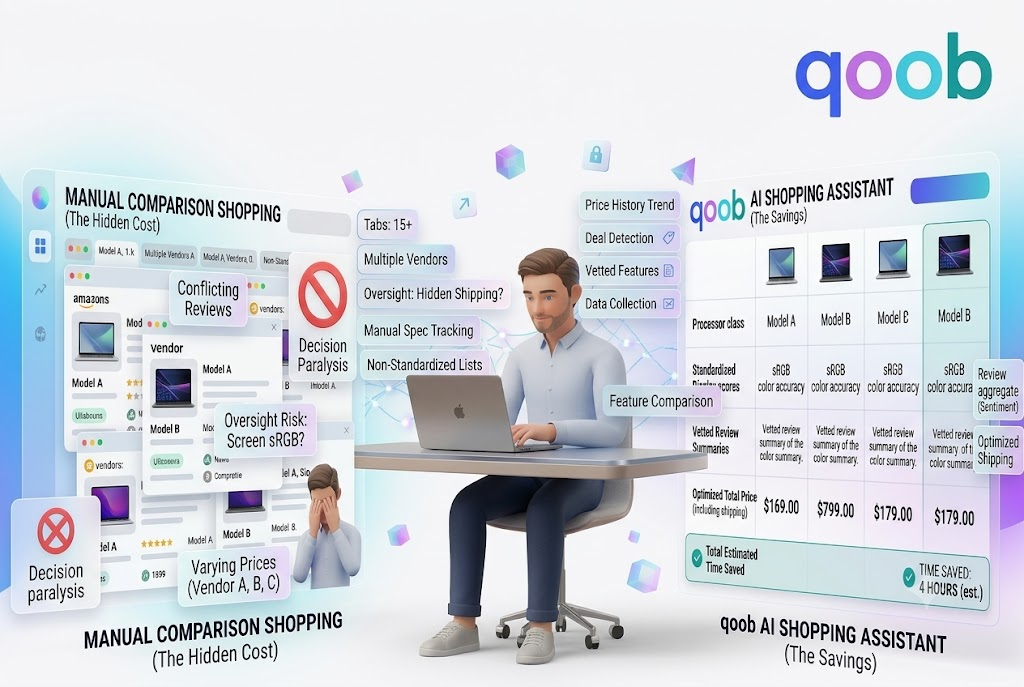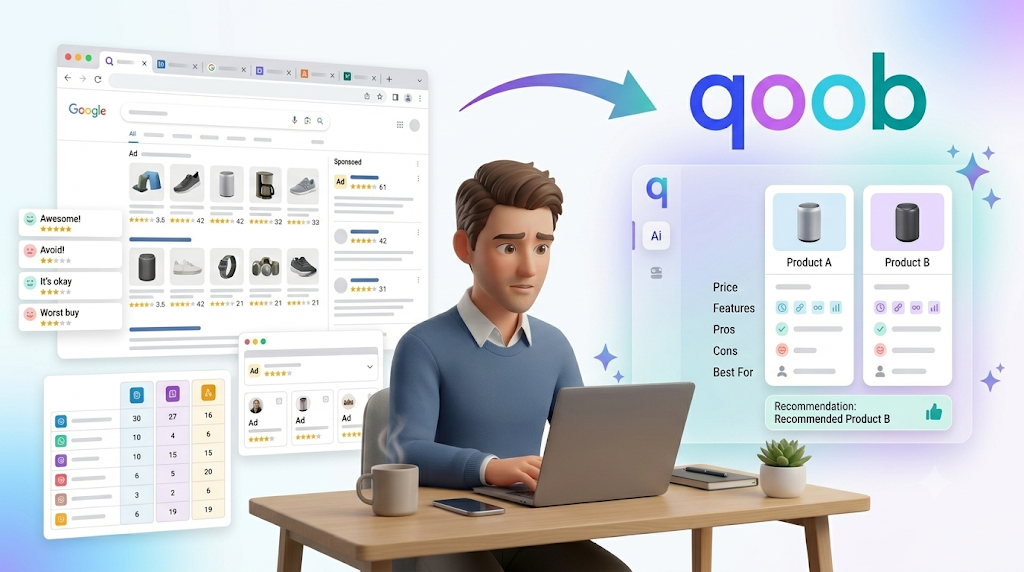
Buying a new product should be straightforward. Yet many purchases become frustrating because there are too many options, conflicting reviews, and endless comparison articles. Whether you’re shopping for electronics, home appliances, software, or everyday essentials, making the right choice often feels harder than it should.
Instead of relying on guesswork, use a structured approach. An AI decision assistant can help organize information, but understanding a simple framework for Better Buying Decisions allows you to evaluate products more confidently regardless of what you’re purchasing.
Why buying decisions feel overwhelming
Consumers have access to more information than ever before. Product pages, customer reviews, comparison websites, influencer recommendations, and AI-generated summaries all compete for your attention.
While having more information sounds helpful, it often creates the opposite effect. Instead of making decisions easier, it leads to analysis paralysis.
Common challenges shoppers face
Many buyers struggle because they:
- Compare too many products
- Focus on features they may never use
- Read hundreds of conflicting reviews
- Prioritize price over long-term value
- Delay purchasing because they’re afraid of making the wrong choice
A simple evaluation process helps eliminate these problems.
Start with your actual needs
Before comparing products, identify what you’re trying to solve.
Ask yourself:
- What problem am I trying to fix?
- Which features are essential?
- Which features are optional?
- How often will I use this product?
- What’s my realistic budget?
Answering these questions prevents unnecessary comparisons between products that don’t fit your needs.
Avoid shopping based only on popularity
The highest-rated product isn’t always the best choice.
For example:
- A professional camera may be unnecessary for casual photography.
- A premium laptop may offer features you’ll never use.
- A large kitchen appliance may not fit your available space.
The best product is the one that solves your specific problem efficiently.
Compare products using the same criteria
Many people compare products randomly.
Instead, evaluate each option using identical factors.
| Comparison Factor | Why It Matters |
|---|---|
| Price | Determines affordability and value |
| Features | Shows whether the product meets your needs |
| Quality | Indicates expected durability |
| Ease of use | Affects the everyday experience |
| Customer support | Helps after the purchase |
| Warranty | Protects your investment |
| Reviews | Highlights real-world experiences |
Looking at every product through the same lens makes comparisons much more objective.
Step 1: Separate essential features from extras
Not every advertised feature deserves equal attention.
Essential features
These directly affect your purchase.
Examples include:
- Battery life
- Performance
- Size
- Storage capacity
- Build quality
Nice-to-have features
These may improve the experience but aren’t necessary.
Examples include:
- Premium finishes
- Extra accessories
- Decorative design elements
- Specialty modes
Focusing on essentials helps avoid paying more for features you’ll rarely use.
Step 2: Compare total value, not just price
The cheapest option isn’t always the most affordable over time.
Consider:
- Expected lifespan
- Maintenance costs
- Replacement expenses
- Warranty coverage
- Reliability
Sometimes spending slightly more initially reduces future costs significantly.
Think beyond the purchase price
For example:
- Energy-efficient appliances reduce utility bills.
- Durable furniture lasts longer.
- Better software may reduce ongoing subscription costs.
Value comes from long-term usefulness rather than the initial receipt.
Step 3: Read reviews strategically
Customer reviews are valuable when used correctly.
Instead of reading hundreds of comments, look for consistent patterns.
Pay attention to repeated mentions of:
- Build quality
- Customer service
- Reliability
- Ease of setup
- Long-term performance
If the same strengths or weaknesses appear repeatedly, they’re probably worth considering.
Ignore isolated complaints
Every product receives occasional negative reviews.
Focus on recurring issues instead of one unusual experience.
Step 4: Compare products side by side
A comparison table makes decision-making much easier.
| Feature | Product A | Product B |
|---|---|---|
| Price | ✔ | ✔ |
| Key Features | ✔ | ✔ |
| Warranty | ✔ | ✔ |
| Customer Reviews | ✔ | ✔ |
| Ease of Use | ✔ | ✔ |
| Overall Value | ✔ | ✔ |
Seeing information together often makes the better option much clearer.
Step 5: Consider your future needs
Many purchases are long-term investments.
Ask yourself:
- Will this still meet my needs in two years?
- Can it expand with future requirements?
- Will accessories remain available?
- Is software support likely to continue?
Thinking ahead reduces the chance of replacing products sooner than expected.
Avoid common buying mistakes
Buying emotionally
Sales, countdown timers, and limited-time promotions often create unnecessary pressure.
Take a moment to evaluate whether the product actually meets your needs.
Comparing too many products
Comparing ten nearly identical products usually creates confusion.
Narrow your shortlist to three or four serious options.
Ignoring trusted sources
Look for reliable information instead of relying entirely on advertisements or influencer opinions.
Balanced comparisons usually produce better decisions.
Forgetting long-term ownership
Ownership includes maintenance, accessories, upgrades, and support, not just the purchase price.
How AI helps simplify product comparisons
Artificial intelligence can reduce the amount of manual research required when comparing products.
Instead of opening dozens of tabs, modern AI tools can organize information, summarize differences, and highlight the factors that matter most.
For example, QOOB Search focuses on delivering more organized answers that help users compare products more efficiently instead of forcing them to browse through multiple search results.
Why context creates better recommendations
Two people shopping for the same product may need completely different recommendations.
Someone buying a laptop for gaming has different priorities than someone purchasing one for office work.
That’s why personalized context produces stronger recommendations than generic comparison lists.
This idea is explored further in What Makes QOOB Different From Other AI App, which explains how contextual understanding can improve decision-making.
A practical framework for Better Buying Decisions
You can simplify almost every purchase by following the same process:
- Define your actual need.
- Set a realistic budget.
- List essential features.
- Compare products using identical criteria.
- Review long-term value.
- Read reviews for recurring themes.
- Shortlist two or three options.
- Make your decision without endless comparisons.
Following this process removes much of the uncertainty from buying decisions.
Benefits of using a structured comparison process
A simple framework helps you:
- Save research time
- Reduce impulse purchases
- Focus on value instead of marketing
- Compare products objectively
- Feel more confident after purchasing
Most importantly, it helps you avoid information overload.
FAQ
1. What are Better Buying Decisions?
Better Buying Decisions involve evaluating products using consistent criteria such as price, quality, features, reviews, and long-term value instead of making impulsive purchases.
2. How many products should I compare?
Three to four products are usually enough. Comparing too many options often creates confusion instead of improving your decision.
3. Should price be the most important factor?
No. Price should be balanced with quality, reliability, warranty, customer support, and expected lifespan to determine overall value.
4. How do AI tools help compare products?
AI tools organize product information, summarize differences, and highlight relevant features, making research faster and easier.
5. Why is context important when comparing products?
The best recommendation depends on your specific goals, budget, and intended use. Context allows recommendations to be more relevant than generic product rankings.
Conclusion
Making Better Buying Decisions doesn’t require reading hundreds of reviews or comparing dozens of products. A simple framework based on your needs, budget, essential features, and long-term value helps you make confident choices while avoiding information overload.
As AI continues to improve product research, decision-making becomes faster and more personalized. To learn more about how contextual AI supports smarter comparisons, visit QOOB and explore how modern search experiences help simplify complex buying decisions.