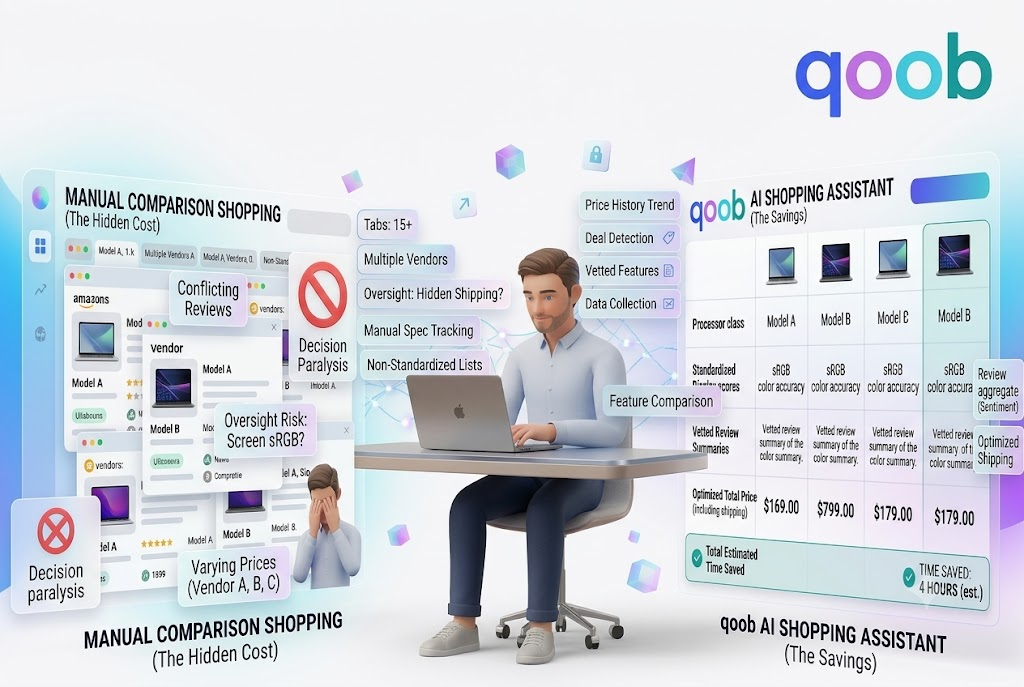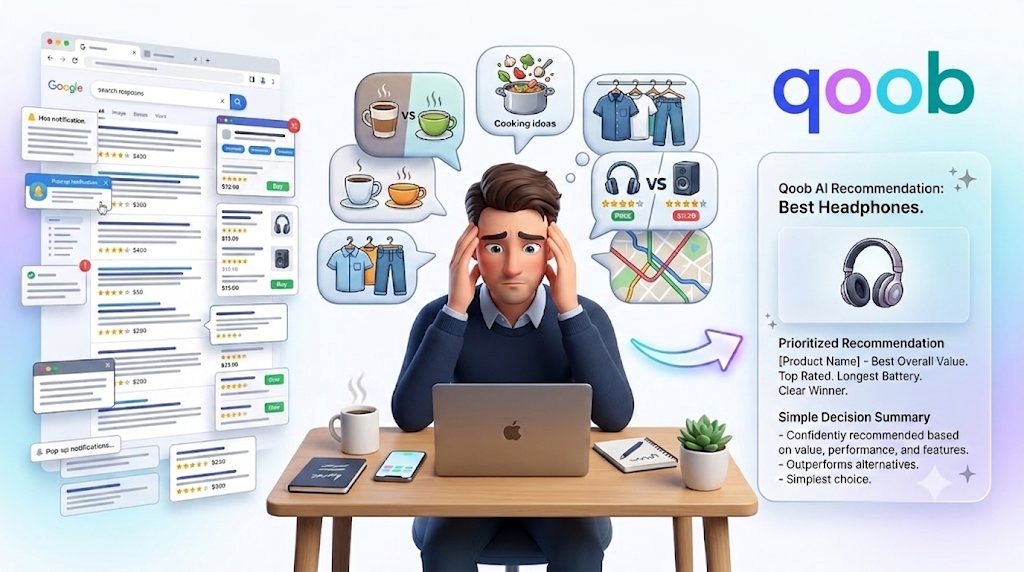
Some decisions should be simple. What to wear, what to eat, which message to answer first, or what task to do next should not drain a person before noon. Still, that is exactly what happens when the brain gets overloaded with too many choices. The result is decision fatigue, and it affects far more than people realize.
When daily choices pile up, even small ones start to feel heavier than they should. That is why so many people feel stuck when they are trying to plan dinner, buy something online, or decide how to spend their time. If you have ever opened five tabs, changed your mind three times, and still felt unsure, you are not alone. That kind of mental drag is one reason tools like AI decision assistant are becoming more useful in everyday life.
What decision fatigue actually means
Decision fatigue happens when making choices uses up mental energy. The brain does not run out of willpower in a dramatic way. It just gets tired. After enough decisions, even simple ones feel harder, slower, and less appealing.
That is why people often make worse choices later in the day. They may choose the easier option, delay the decision, or avoid deciding at all. The problem is not laziness. The problem is overload.
Why small decisions feel bigger than they should
A single choice rarely causes stress on its own. The issue is the constant stream of choices that never really stops. You choose what to eat, what to reply to, what to buy, what task to do first, and what to ignore. By the time the day is halfway done, your brain has already worked harder than it should have.
This is why people often feel strangely tired after routine tasks. The work may look small from the outside, but the mental effort adds up.
Why modern life makes decision fatigue worse
Today’s routines create more choices than most people notice. You do not just pick one dinner idea. You compare recipes, ratings, prices, delivery times, ingredients, and reviews. You do not just answer one question. You sort through messages, notifications, and follow-ups. Every small decision seems to come with five extra steps.
Too many options slow everything down
Choice sounds useful until it becomes a burden. More options can help in theory, but in practice they often make people hesitate. Instead of feeling freedom, people feel pressure to choose correctly. That pressure drains energy fast.
A person who spends twenty minutes deciding what to eat may not be indecisive in a personality sense. They are simply overloaded by too many possible paths.
Repetition makes the problem worse
Some people make the same kinds of choices over and over again throughout the day. What to cook. What to buy. What to read. What to do next. Each decision may seem minor, but together they wear down focus and patience.
That is why a simple system often works better than constant improvisation.
Common signs of decision fatigue
Decision fatigue does not always announce itself clearly. It usually shows up in ordinary behavior:
- You delay simple choices: You keep saying you will decide later, even when the decision does not need to take long.
- You keep changing your mind: You compare options, feel uncertain, and circle back without getting closer to a conclusion.
- You choose whatever is easiest: Instead of picking the best option, you pick the one that requires the least effort.
- You avoid decisions altogether: You let tasks sit unfinished because making the choice feels harder than doing nothing.
- You feel mentally drained by basic routines: By the end of the day, even low-stakes choices feel annoying.
These are all signs that the brain is carrying more than it should.
Why decision fatigue affects everyday life
Decision fatigue is not just about feeling tired. It changes behavior. It can affect food choices, shopping habits, work output, and even how people communicate with others.
It affects personal routines
People often feel stuck on basic tasks like meal planning, clothing choices, or weekend planning. The more they think about each option, the less energy they have for anything else.
It affects spending
When people are mentally tired, they are more likely to buy quickly without comparing carefully. Sometimes they spend too much. Sometimes they avoid buying anything at all.
It affects work performance
At work, decision fatigue can make people slower, less confident, and more likely to put off tasks. When a brain is already tired from small choices, bigger work decisions feel heavier too.
How to reduce decision fatigue
The answer is not to eliminate all choices. That would be unrealistic and a little bleak, which is saying something. The better approach is to reduce unnecessary decisions and make repeated choices easier.
Build routines for repeat tasks
Routines remove the need to decide from scratch every time. If breakfast, lunch, or weekly planning follows a simple pattern, the brain gets to save energy for more important things.
For example:
- Pick the same breakfast on busy mornings
- Keep a few standard lunch options
- Use a weekly dinner rotation
- Set a fixed time for common tasks
These small habits reduce mental load more than people expect.
Limit the number of options
Too many choices create delay. A smaller set of good options is easier to manage.
Instead of comparing ten products, compare three. Instead of choosing from twenty meals, keep five reliable ones. Instead of starting from zero every day, use a short list.
Decide in advance when possible
Some choices can be made ahead of time so they do not drain energy later.
For example:
- Plan meals for the week
- Set aside clothes for tomorrow
- Create a default routine for morning work
- Keep recurring shopping lists
Advance planning saves energy during the moments when your brain is least prepared to deal with extra thinking.
The role of better information
A lot of decision fatigue comes from bad or incomplete information. People spend too long deciding because they do not have clear answers. They search one place, then another, then another, and each source gives a slightly different result.
That is one reason better search and recommendation tools matter. If a system can narrow choices faster and explain why something fits, the user spends less time comparing and more time acting.
Smarter search reduces mental effort
When search results are more relevant, people do not have to sort through as much noise. That cuts down on the effort required to choose. It also lowers the chance of getting stuck in a loop of comparison.
A helpful comparison can make decision-making feel easier because the work is already organized. That is one reason people are looking at Why AI search is replacing Google for everyday questions as a practical shift, not just a tech trend.
Context matters more than volume
More information is not always better. Context is usually better. If a system understands the situation, it can suggest options that are actually useful instead of just nearby in a search result list.
That is the basic idea behind Why QOOB, where the goal is to reduce friction and make answers easier to use.
A simple framework for everyday decisions
You can make daily choices easier by using a short process instead of debating every option at length:
- Define the real decision: Ask what you are actually trying to solve. Do not get distracted by side questions.
- Set one constraint: Time, budget, energy, or ingredients. Pick the main limit and use it to narrow the field.
- Cut the list fast: Remove anything that clearly does not fit. Do not keep weak options around just because they are technically available.
- Choose the first good answer: Not every decision needs a perfect outcome. Often, a good enough answer is the right answer.
- Move on: Once the choice is made, stop revisiting it unless new information appears.
This process sounds simple because it is simple. That is the point.
What helps reduce decision fatigue
| Problem | What usually helps | Why it works |
|---|---|---|
| Too many options | Cut the list to a few choices | Less comparison, faster action |
| Too much daily planning | Use routines | Saves mental energy |
| Constant overthinking | Set a decision deadline | Prevents endless looping |
| Frequent small tasks | Batch similar tasks | Reduces context switching |
| Unclear information | Use better summaries or tools | Makes decisions faster |
| Mental exhaustion | Decide earlier in the day | Uses energy before it runs low |
Common mistakes that make decision fatigue worse
Trying to optimize everything
Not every choice needs maximum research. Some decisions are small enough to keep simple.
Starting from zero every day
Rebuilding your routine each morning wastes energy. A few defaults solve that problem.
Checking too many sources
More sources can create more confusion when the answers do not line up neatly.
Waiting until you are exhausted
Big decisions are harder when you are already tired. When possible, handle them earlier.
Why people underestimate this problem
Decision fatigue is easy to miss because it does not look dramatic. It does not always feel like stress in the usual sense. Sometimes it just feels like annoyance, hesitation, or boredom. People blame themselves for being indecisive when the real issue is that they have too many choices and too little energy.
That misunderstanding matters. Once people see decision fatigue as a system problem instead of a personal flaw, they can start fixing it in practical ways.
Conclusion
Decision fatigue is real, and it explains why small choices can feel so draining. The issue is not that people cannot make decisions. It is that too many choices, too often, wear down mental energy faster than expected.
The fix is not to think harder. It is to create simpler systems, reduce unnecessary options, and use tools that organize information more clearly. That is how everyday decisions become easier and less exhausting. For a smarter way to reduce the noise, visit QOOB and see how better answers can make daily choices less tiring.
FAQ
1. What is decision fatigue?
Decision fatigue is the mental exhaustion that comes from making too many choices. It makes later decisions harder and often leads to slower or lower-quality choices.
2. Why do small daily choices feel so exhausting?
Small choices feel exhausting because they add up across the day. Each one uses a little mental energy, and repeated choices can wear down focus and patience.
3. How can I reduce decision fatigue?
Use routines, limit your options, decide in advance when possible, and remove unnecessary comparisons. Simple defaults save time and energy.
4. Does decision fatigue affect work?
Yes. It can make people slower to respond, less confident in choices, and more likely to avoid tasks that require mental effort.
5. Can better search tools help with decision fatigue?
Yes. Better search and recommendation tools reduce noise, organize information, and make it easier to compare options without wasting energy.